
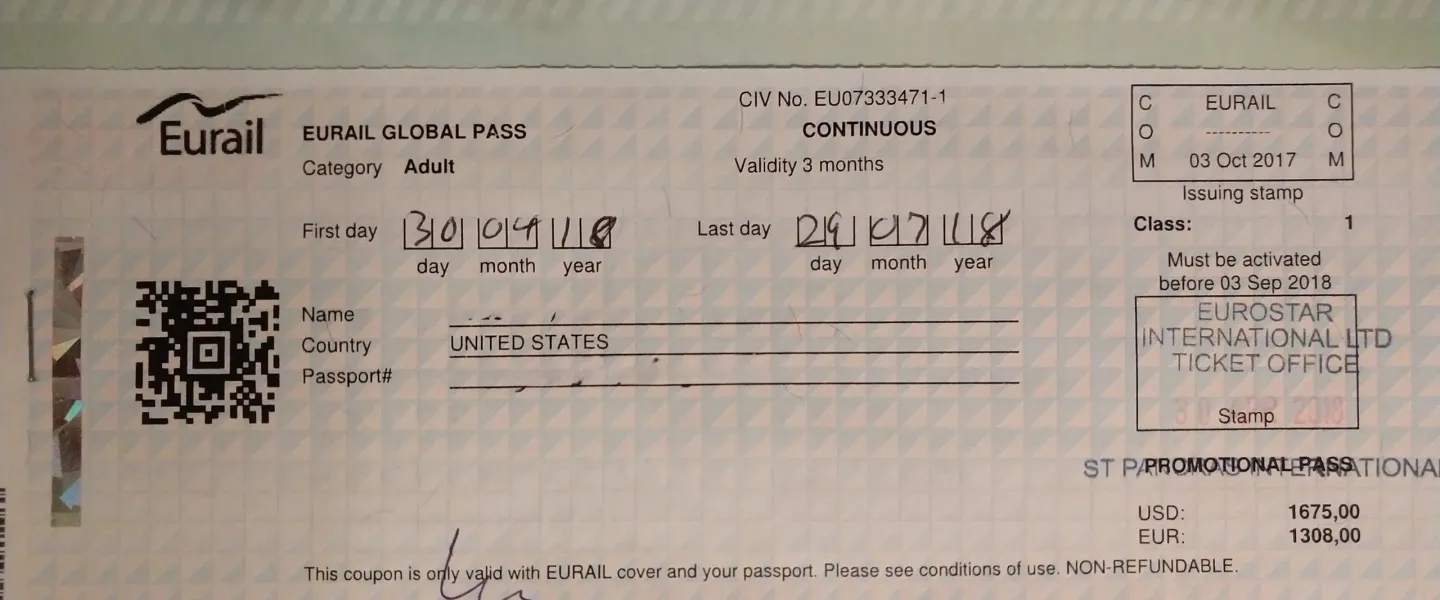
What’s the best European rail pass? Easy: The Interrail Global Pass.
So I should buy it then, case closed? Yeah probably, but let’s not get ahead of ourselves - in some cases, there might be a better option for your specific travel plans. Plus, you’ll need to make a few choices when ordering an Interrail Global Pass. Here are some quick answers and then we’ll get into more details later.

You may have heard of other types of Interrail passes, which can be confusing. Let’s cross some choices off the list: Interrail keeps things simple these days with just two main options, Global and Single Country. They do still have Single Country Passes, but these are far less compelling than a Global pass and for a lot of people they can be ignored. So it’s the Interrail Pass, with Global and One Country varieties.
What about the Eurail Pass you’ve seen mentioned elsewhere? Good question, and one with a real answer: as of September 2026, there’s no more Eurail. The two passes - Eurail for non-Europeans, Interrail for European residents - merged into one single Interrail Pass for everyone, worldwide. If you see “Eurail” on an older site or article (including some of our own older stuff), just mentally swap in “Interrail.” Same pass, same benefits, one less decision you have to make.
Interrail Global Passes come in paper or digital versions. Sticking with the theme of making the choice clearer, just buy the digital one. They also offer different lengths: Flexi or Continuous. Flexi passes allow you to use the pass for a number of days within a month, while Continuous passes start at 15 days in a row and are valid for travel every day. This choice probably seems obvious at first glance; just buy the pass with the same number of days as your trip, right? You could do that and be done with it, but we’ll go over why you wouldn’t.
You can also choose between First Class or Second Class. First Class offers exceptional value for longer passes due to the minimal price difference per ride. However, Second Class is comfortable and suitable for shorter rides or tighter budgets.
Lastly, consider the age of the traveler(s) when selecting your Interrail pass. Youth (12-27), Adult (28-59), and Senior (60+) are the available age categories. Up to two children (4-11) can travel for free with each adult pass purchased.
Wrapping up the introduction, there may be cases where you want a rail pass, but the Global Pass isn’t the one you want. For travelers who are touring a single country, or only dipping their toes into a second nearby city, it’s possible the One Country pass can save you some money. Looking beyond the passes offered by Interrail, some countries offer their own passes, the Swiss Travel Pass comes to mind.
Interrail Global Pass vs. Single Country Pass
The Interrail Global Pass is the most comprehensive option, allowing unlimited travel across 33 European countries. It’s perfect for those planning to visit multiple destinations and want the flexibility to change their itinerary on the go. With access to an extensive rail network, you can easily hop between cities and countries without worrying about individual ticket prices or availability. For the majority of readers, this is the pass that we recommend.
On the other hand, Single Country Passes are designed for travelers who plan to explore a specific country in-depth. If your itinerary focuses on a single nation, like Italy or Austria, a Single Country Pass might be more cost-effective than the Global Pass. These passes offer unlimited travel within the chosen country and prices vary. They might offer a cost savings rather than just purchasing tickets in advance, but the use cases where we recommend them are far fewer.
If you’re staying within the borders of one nation, the train trips you’re undertaking are probably much shorter and cheaper than international services. This makes the decision to purchase a rail pass questionable. Unfortunately, if you’re looking for the cheapest means, this is going to involve some research. We’ve got articles on buying a pass vs point-to-point advance tickets or digging into case studies if you want to see examples. Note: for single country trips, especially Switzerland, read the section on non-Interrail offerings below.
Of course, if you really liked the idea of easy choices and convenience, then you can just plunk down the cash for a Global Pass or a Single Country Pass. It’s never going to be that much more than scrimping and fussing with advance individual purchases.
One last thought on Single Country Passes: you almost never want to buy multiple Single Country Passes. In most instances, a single Global Pass would be better.

What Happened to the Eurail Name?
Throughout this article, we’ve been using the term “Interrail” to refer to the rail passes that grant unlimited travel across Europe. If you’ve done research elsewhere, you may have also seen the name “Eurail” used the same way - historically, that was a separate pass reserved for non-European residents, while “Interrail” was reserved for European citizens and residents. As of September 2026, that split is gone: Eurail and Interrail unified under the single Interrail name, so there’s no distinction left to make. Whether you’re from Europe or anywhere else in the world, you’ll be buying the same Interrail Pass.
Since the two passes were already nearly identical before the merger, nothing meaningfully changed for travelers beyond the name. You get the same extensive rail network, covering 33 European countries, and the same flexibility and convenience for your rail adventures.
There is one thing worth keeping in mind if you’re a European resident: Interrail places some restrictions on using the pass within your own country of residence. Typically, you can only use your Interrail Pass for two domestic trips: one outbound and one inbound journey. Once you cross the border into another European country, the pass works with no such restriction, giving you unlimited travel within the valid countries for the rest of its duration.

Paper or Digital: Which Interrail Pass Should You Choose?
When purchasing your pass directly from Interrail, you’ll have the option to choose between a traditional paper pass or a new digital version. Both offer the same access to Europe’s extensive rail network, but here at Rail Motus, we generally recommend opting for the digital pass.
The Digital Interrail Pass: Convenience at Your Fingertips
The digital Interrail Pass is a mobile option that can be purchased online and downloaded instantly to your smartphone. Once you have the pass, you can manage your travel plans and access your ticket information through the Rail Planner app.
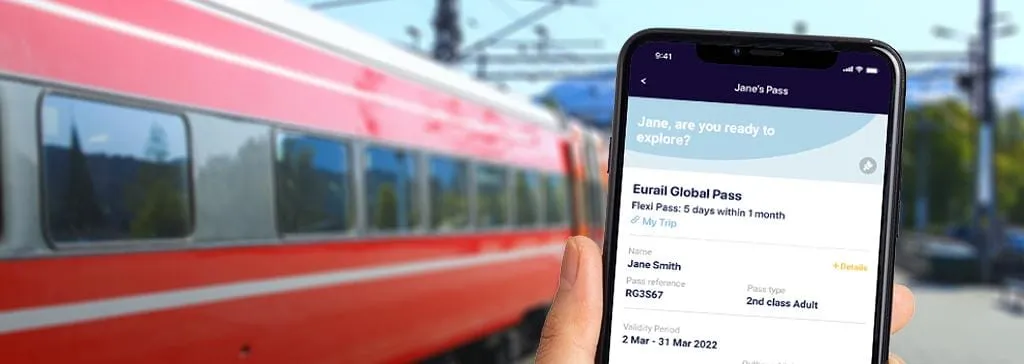
One of the main advantages of the digital pass is its flexibility. You can activate your pass anytime within 11 months of purchase. Plus, there’s no need to worry about carrying a physical ticket or waiting for your pass to arrive in the mail. Another benefit of the digital pass is the convenience of having your ticket information always accessible on your phone. You can easily keep track of your travel diary and show your pass to conductors.
It’s important to note that you’ll need to connect your Rail Planner app to the internet via WiFi or mobile data at least once every three days to keep your pass updated and valid. In today’s world, this shouldn’t be a problem for most travelers; plus you’ve read our article on staying connected in Europe, right?
The Traditional Paper Interrail Pass: Tried and True
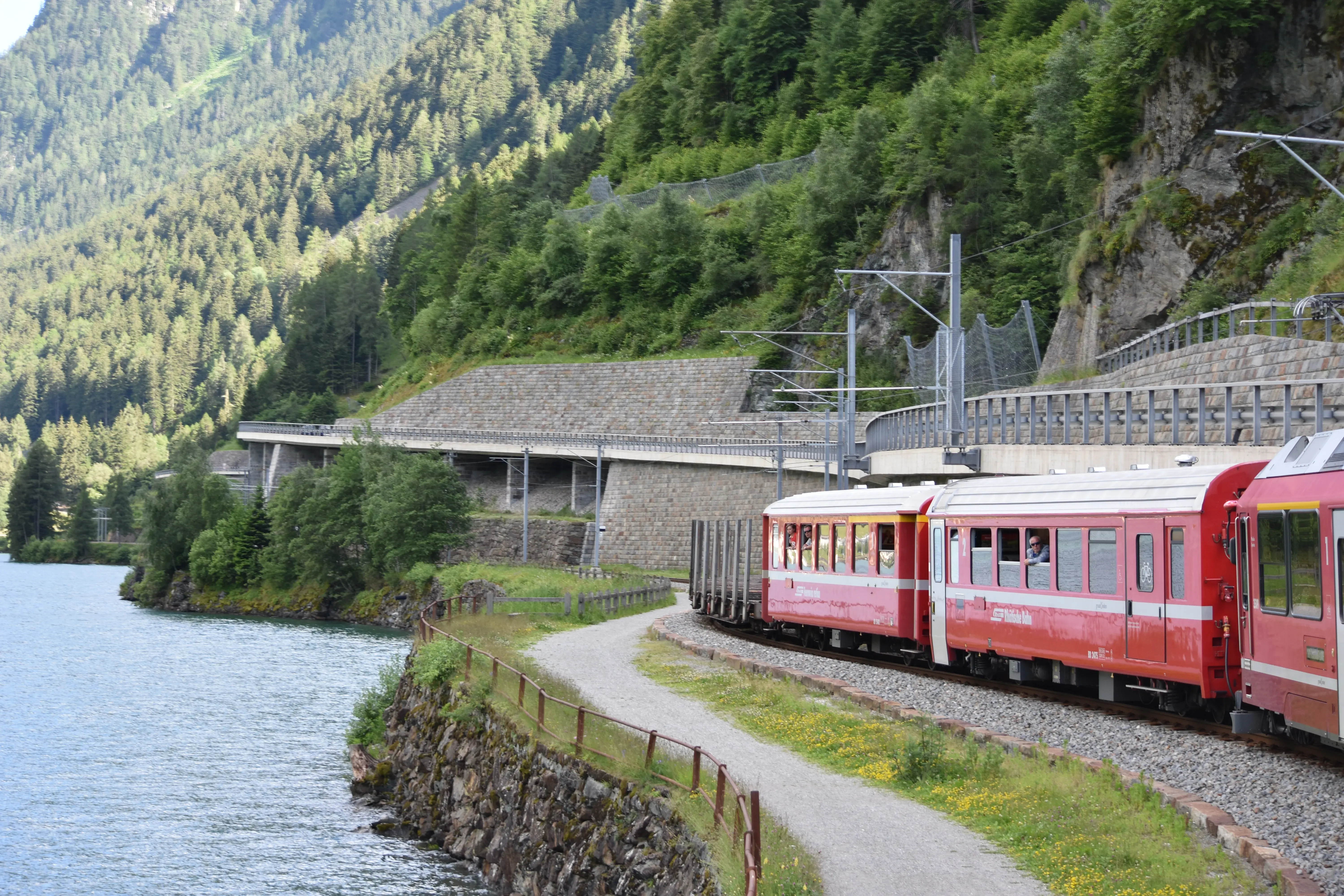
While the digital pass offers numerous benefits, some travelers may still prefer the classic paper Interrail Pass. There’s nothing wrong with the paper version, it works on all the trains the digital one does. If you go this route, fear not. We’ve travelled many, many times before they even had digital versions, and everything works just fine with the paper version.
One advantage of the paper pass is that it doesn’t rely on technology – if your phone runs out of battery or breaks during your trip, you’ll still have your physical ticket to show conductors. Another reason some travelers choose the paper pass is for its nostalgic value.
However, there are a few drawbacks to consider with the paper pass. First, you’ll need to pre-validate when purchasing the pass (not recommended) or validate it at a staffed station before use, which can limit flexibility compared to the digital pass. You’ll also need to pay for shipping and wait for the pass to arrive by mail. Keep this in mind if you’re purchasing close to your travel dates.
Flexi or Continuous: Which Interrail Pass Should You Choose?
When choosing your Interrail Pass, you’ll need to decide between a Flexi Pass and a Continuous Pass. Each option caters to different travel styles and itineraries.
Flexi Passes
Flexi Passes allow you to travel on a set number of days within a specific period. For example, a pass granting 10 days of travel within 2 months means you can take train journeys on any 10 days during those 2 months. Flexi Passes are ideal for travelers planning a few key train journeys while spending time exploring each destination without moving daily. They offer freedom to structure your itinerary around preferred travel days with breaks in between. These types are found on the shorter duration passes, 4, 5, 7, 10 and 15 day versions are offered.
Continuous Passes
Continuous Passes provide unlimited travel for a set number of consecutive days, available in durations such as 15 days, 22 days, 1 month, 2 months, or 3 months. You can hop on and off trains as often as you like within the valid period; you need not fret about “on” or “off” travel days. Continuous Passes are perfect for travelers wanting to maximize their time in Europe with frequent train travel. They offer excellent value, as low as $10-$15 per day for unlimited train trips all over Europe!
Choosing the Right Euro Pass Duration
When selecting your Interrail Pass, you’ll need to choose between a Flexi Pass and a Continuous Pass. Each option caters to different travel styles and itineraries.
Flexi Passes allow you to travel on a set number of days within a specific period. For example, a pass granting 10 days of travel within 2 months means you can take train journeys on any 10 days during those 2 months.
Continuous Passes provide unlimited travel for a set number of consecutive days, available in durations such as 15 days, 22 days, 1 month, 2 months, or 3 months. You can hop on and off trains as often as you like within the valid period.
- Flexi Passes are recommended for short trips with a few main train journeys.
- Continuous Passes are more cost-effective for longer trips involving frequent train travel.
- Flexi Passes are suitable for a leisurely pace of travel, allowing time to explore each destination.
- Continuous Passes are ideal for travelers who anticipate frequent movement between locations.

Your Specific Travel Itinerary
Analyze your planned route and the number of travel days needed. You might not take the train every day. Sometimes, purchasing a cheap point-to-point ticket for a short journey can save a travel day on your pass. For example, you’re estimating you’ll need 8 days of train travel. Instead of buying a 10 day Flexi pass, save some money with a 7 day Flexi and just pay for individual tickets on the cheapest leg from the 8 days.
Overbuying
Overbuying days on your pass might be worth the peace of mind of not having to make exact calculations. It’s a consideration if you’d rather splurge a bit to skip the math. Keep in mind that you can’t add days to a pass once it’s purchased; you’ll either have to refund it before activating and repurchase, or buy individual tickets during your trip.
Here’s an example so you can get a quick grasp of overbuying: An adult 15 day Continuous Global Pass costs $524. Done. That’ll take care of all your train trips for any European vacation under two weeks. If that sounds reasonable for unlimited movement through Europe, then that might be an easy way out for you. Simple? Yes. Economical? Maybe not, but the only way to tell is to dig into that math.
For more case studies on choosing the right Interrail Pass duration, check out this article.

First Class vs Second Class:
When it comes to choosing between First and Second Class on European trains, the decision largely depends on your travel style, budget, and the length of your journey. Here’s a quick rundown of the main differences:
- Seating: First Class has a 1+2 configuration for more space and privacy; Second Class has a 2+2 layout.
- Comfort: First Class seats are wider, more comfortable, and offer slightly more legroom.
- Occupancy: First Class carriages have fewer seats and are typically less crowded.
- Amenities: First Class may offer complimentary water, snacks, or seat-side food service.
- Wi-Fi and power outlets: Access is similar in both classes, but First Class passengers have less shared outlets.
When it comes to Interrail Passes, upgrading to a First Class pass becomes more cost-effective as the duration of your trip increases. The per-day cost of upgrading is significantly lower for longer passes. Other factors to consider include potential access to station lounges, a higher likelihood of securing seats during peak seasons on busy trains, and the availability of quiet zones in some First Class carriages.
Never forget though, second class on European trains is generally far more comfortable than economy class on airplanes. If you go this route, you’re still going to enjoy your train experience more than flying or a bus.
For a more in-depth discussion on the differences between First and Second Class, check out our comprehensive article on the topic.
Interrail Pass Age Categories and Pricing
Interrail sells passes for three main age groups: Youth (12-27), Adult (28-59), and Senior (60+). Additionally, children aged 4-11 can travel for free with an adult pass holder.
Interrail Pass for Families
One of the most appealing aspects of Interrail Passes is the “Children Travel Free” feature. For each adult pass purchased, up to two children aged 4-11 can travel for free. This means that a family of four with two adults and two children would only need to purchase two adult passes, providing significant savings on travel costs.
Youth (12-27)
Travelers aged 12-27 are eligible for the Youth Interrail Pass, which offers a 25% discount compared to the Adult pass. This can result in substantial savings for young travelers, especially those planning longer trips or extensive train travel.
Adult (28-59)
The Adult Interrail Pass is designed for travelers aged 28-59 and serves as the base price for comparison with the Youth and Senior categories. While Adult passes are the most expensive of the three, they still provide excellent value for exploring Europe by train.
Senior (60+)
Travelers aged 60 and above can take advantage of the Senior Interrail Pass, which offers a 10% discount compared to the Adult pass. Although not as substantial as the Youth discount, this can still result in notable savings for older travelers.

When an Interrail Pass Might Not Be the Best Option
While Interrail Passes are an excellent choice for many travelers exploring Europe by train, there are some situations where alternative options may be more suitable or cost-effective. If you’ve determined that a rail pass is the right choice for your journey, consider the following scenarios where an Interrail Pass might not be the best fit:
Extensive Travel Within Switzerland
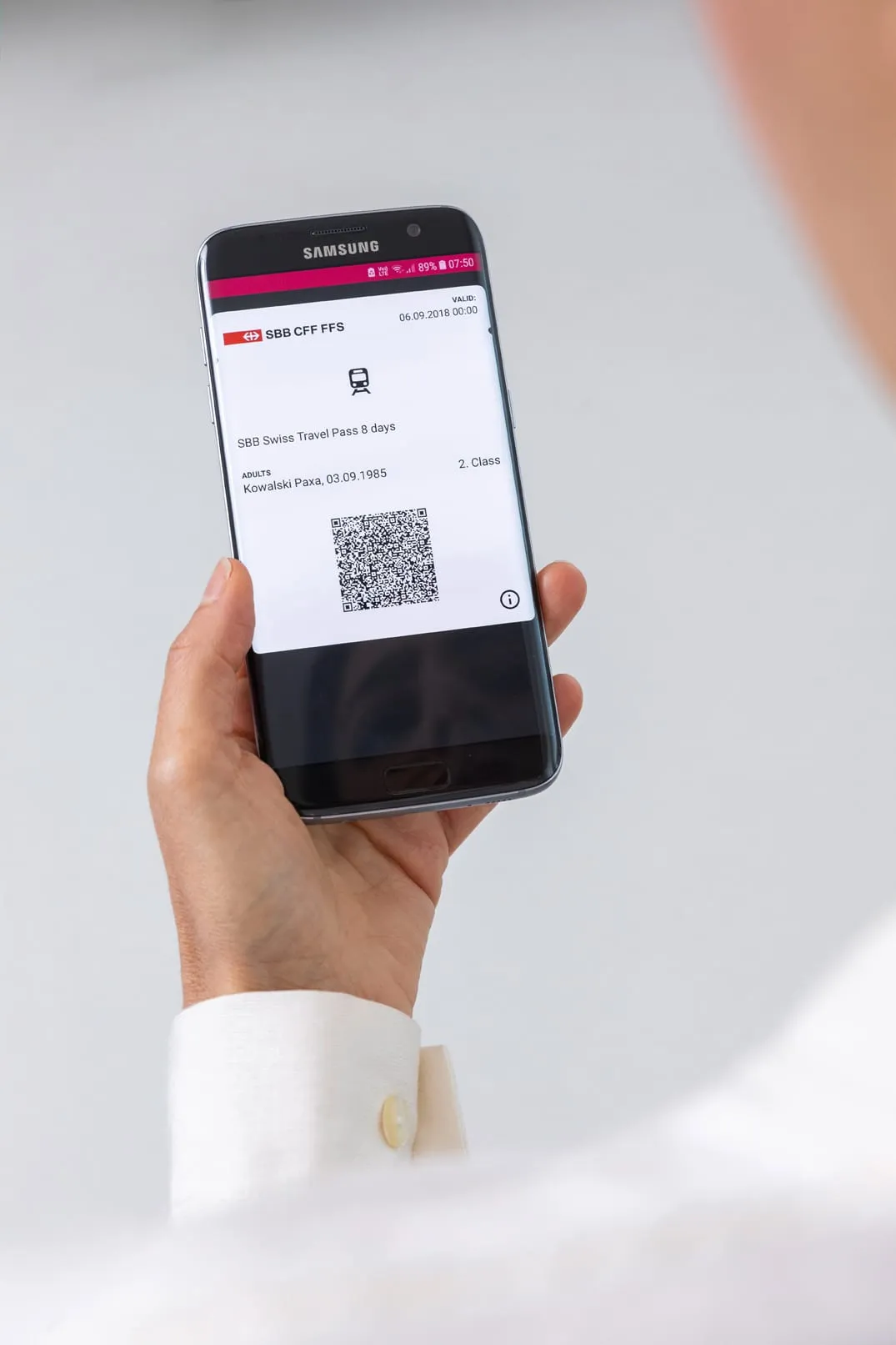
Switzerland is expensive. The public transportation is expensive; it’s really not intended to be used by purchasing one-off fares all the time. If your itinerary focuses heavily on Switzerland, it’s worth considering the Swiss Travel Pass. This pass not only covers rail travel throughout the country but also includes access to buses, trams, and local transportation in many cities. Furthermore, it provides free admission to over 500 museums and exhibitions, as well as discounts on mountain excursions and cable cars. The Swiss Travel Pass also allows children under 16 to travel for free with a parent or guardian, whereas Interrail Passes only cover children up to age 11. The Swiss Travel Pass is a solid, reliable choice.
Exploring Great Britain
For those planning to travel extensively within Great Britain, the BritRail Pass is a worthy alternative to the Interrail Pass. The BritRail Pass provides comprehensive coverage of rail travel in England, Scotland, and Wales, as well as some ferry services. It offers a range of options, from consecutive day passes to flexible travel days, allowing you to tailor your pass to your specific itinerary.
Traveling in the Balkans
If your travel plans focus primarily on the Balkan region, the Balkan Flexipass might be a more suitable choice than an Interrail Pass, with caveats. This pass covers rail travel in Bulgaria, Greece, North Macedonia, Montenegro, Romania, Serbia, and Turkey, offering a cost-effective way to explore these countries by train. The Balkan Flexipass is not quite on the same tier as the Interrail Pass, and people have reported mixed opinions. The pass is purchased in country at select rail stations. Not recommended for the faint of heart.
Get The Best European Rail Pass
We firmly believe that the Interrail Global Pass is the best choice for the majority of our readers. It offers unparalleled flexibility and coverage, making it the perfect companion for your European rail adventure. To check current prices or purchase your Interrail Global Pass, please use our affiliate link. By doing so, you’ll be supporting Rail Motus and helping us continue to provide valuable content and resources for train travel enthusiasts like yourself.